


Yes, yes, we all know the obvious differences between K-dramas and K-movies. While one comes in episodes, makes you commit 16 weeks of your life, the other wraps everything up in two hours and just asks for a free evening and snacks. However, that part is basic knowledge and surface-level differences.
If you’ve watched K-Drama for the longest, then transitioned into K-movies and vice versa, or you’ve watched enough of both, you already know the real difference runs deeper than timing and duration. K-dramas and K-movies feel different because they tell stories differently, handle emotions differently, and even treat reality differently.
So let’s get into the deeper stuff people don’t always talk about.
Pacing
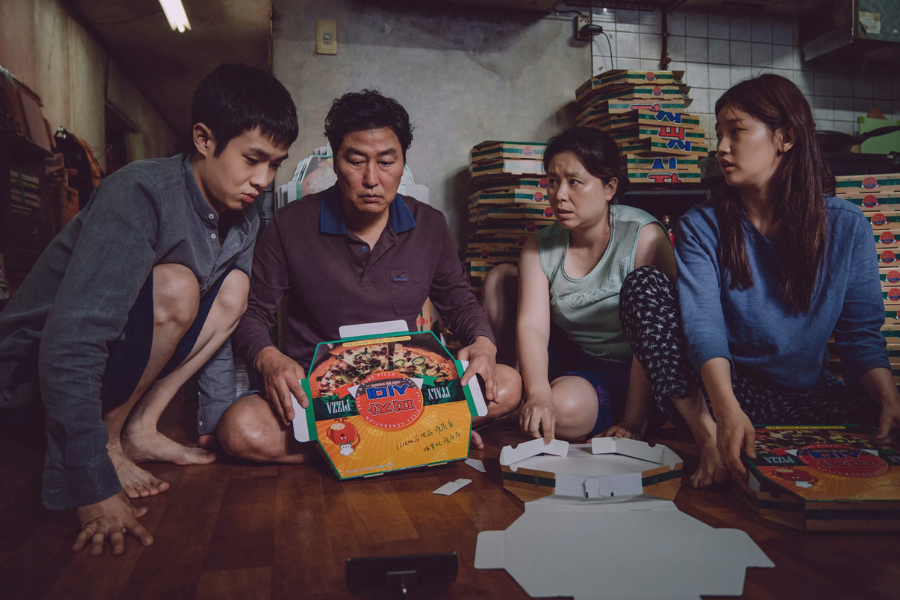
See, this hit me so hard the first time I tried a K-movie; the pacing was just crazy. K-dramas are marathon runners; they stretch moments, emotions, and conflicts across multiple episodes. You’ll get long pauses, extended stares, flashbacks of flashbacks, and entire episodes dedicated to feelings, and the pacing allows characters to grow slowly and allows relationships to simmer.
K-movies, on the other hand, do not have that luxury. They move fast and cut deep, and there’s little to no room for fillers because every minute matters. If something is happening, it needs to justify its presence immediately, and that’s why K-movies often feel more intense and tightly packed.
Reality Portrayal
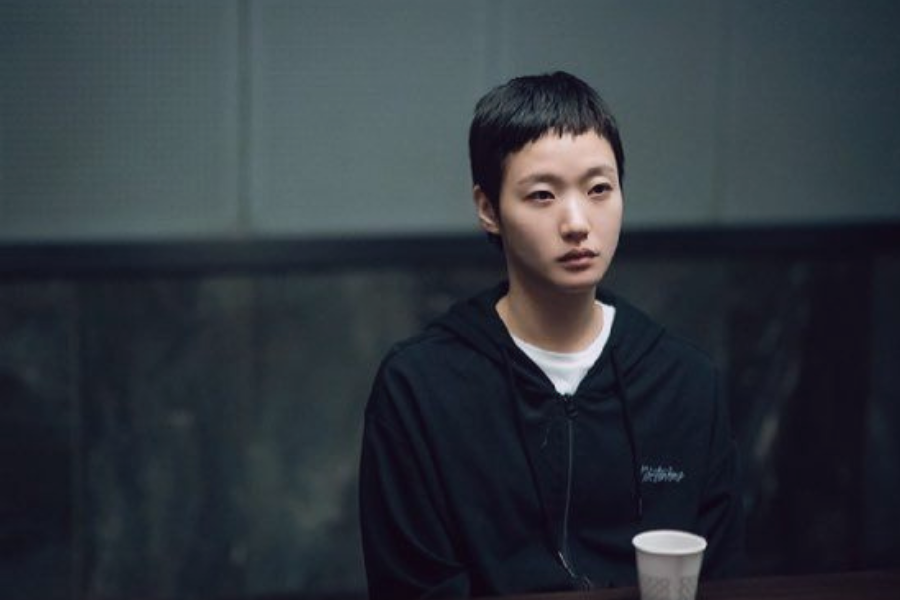
I once mentioned how K-dramas sugarcoat things and rarely portray the ugly moments and that’s why we wait at least 7 episodes for a kiss. While K-dramas are not unrealistic, they often soften reality. Even when dealing with heavy topics, there’s usually emotional cushioning like redemption arcs, second chances, and hopeful resolutions. I won’t say it’s fake, so I will say K-dramas are just more gentle.
K-movies, on the other hand, are usually more honest, and sometimes brutally so. They are not afraid of showing moral gray areas, ugly endings, uncomfortable truths, and even the dark side of sexual life. Good people die, bad people win sometimes, and justice is not guaranteed, and that’s fine.
Character Complexity
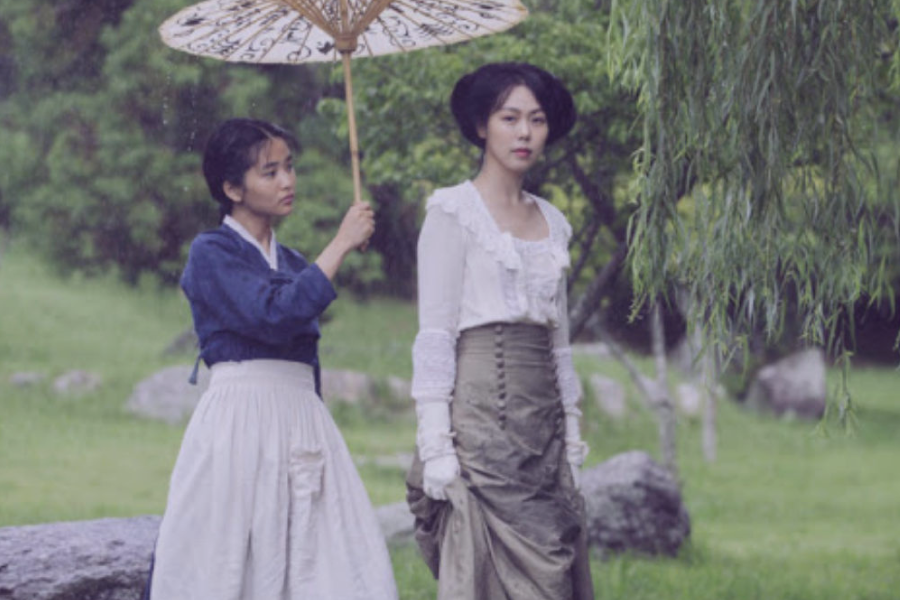
You see K-movies? The characters tend to be fully formed from the start. You meet them mid-life, mid-crisis, or mid-failure, and there’s less explaining and more showing. There’s little room to show everyone’s backstory, so you figure it out by yourself on the way. For K-dramas, it allows characters to evolve slowly. You watch them grow, heal, regress, and learn over time their backstory. That emotional investment is why drama characters often feel like you know the people, while movie characters feel like a quick meet and greet for a cinema movie.
Risk-Taking
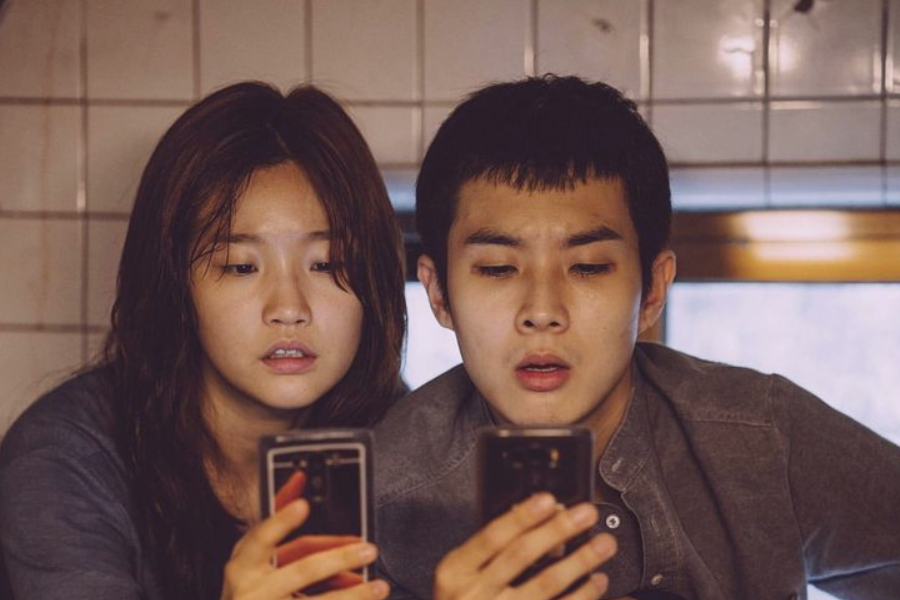
K-movies take bigger risks and experiment more with structure, themes, and endings. They use more open endings, ambiguous morals, and unconventional storytelling. They are less concerned about audience comfort and more focused on artistic impact. K-dramas, especially mainstream ones, are more cautious. Since they need consistent viewership, risks are calculated, and even when they take bold steps, it’s usually within safe boundaries. That’s why you will see K-dramas making changes to their plot even while airing, just to soothe and suit the taste of viewers.
Emotional Aftermath

After a K-Drama ends, you feel like you’re saying goodbye to a phase of your life. There’s closure, attachment, and sometimes emotional exhaustion because you lived with these characters. After a K-movie ends, the feeling is different. It lingers and sits in your chest. You might not cry immediately, but hours later, you’re still thinking about that final scene. K-movies haunt, while K-dramas accompany.
Even with all these differences, one thing is certain: they both do their job entertaining and emotionally wrecking us.
Which of these differences resonates with you the most?
Like Loading...

Author
T.Sapphire 💙
T. sapphire is a writer who found her love for the Hallyu wave after watching the historical drama “Jumong.” She is mainly interested in Korean dramas and the history of Korea at large. Explore her pieces as she takes you on a journey through K-Drama recommendations and keeps you informed about the history of the Korean people.



Leave a comment