

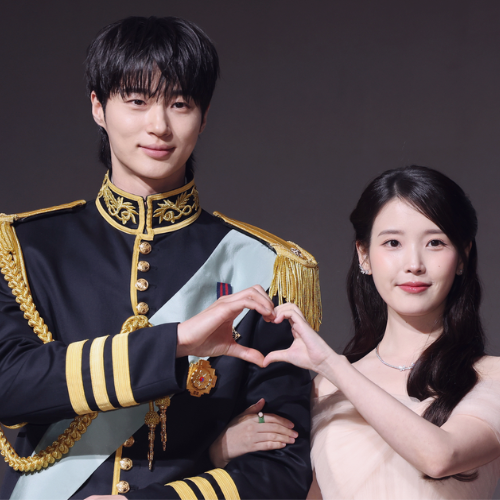
Let me set the scene.
IU, looking immaculate. Byeon Woo-seok, looking like the dictionary definition of "reluctant prince energy." Royalty and noblemen dressed so opulently that you feel personally underdressed even though you're in your own house, sprawled on your couch, watching them.
And somewhere in the middle of all this beauty, with a contract marriage setup and a Queen Dowager whose side eye is the scariest thing, Perfect Crown stopped being just another drama.
It became a Social Studies lesson.
Perfect Crown is set in a fictional modern Korea where the monarchy never ended; a constitutional monarchy where a chaebol heiress and a powerless prince enter a contract marriage as they confront social barriers and personal scars. It's a romance. A very pretty romance. But underneath all those palace corridors and ceremonial costumes is a whole architecture of real Korean royal traditions, and once you start seeing it, you genuinely cannot stop.
So let's talk about it.
The Commoner Problem Is Very Much a Real Historical Thing
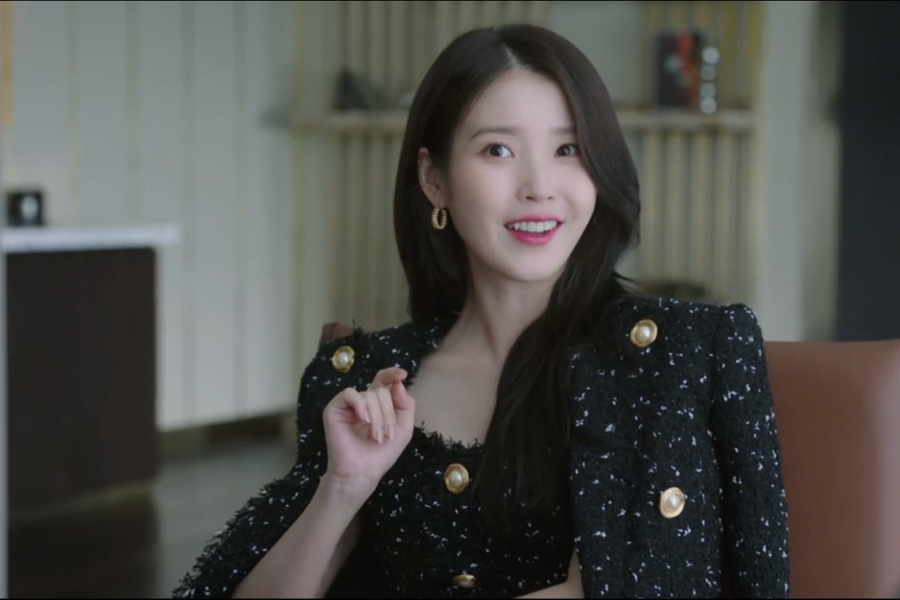
The central conflict driving Perfect Crown is that Huiju, with all her wealth and brilliance, is still just a commoner. This is not mere dramatic fiction. That's a true Joseon dynasty cultural reference, if there ever was any.
In Joseon society, the ruling class (양반 yangban) was hereditary, and most individuals were expected to remain within the social status they were born into. Social position determined not just economic stability, but one's sense of identity and belonging within the broader community. Wealth could not buy you out of it. Education could get you close, but even then, in reality, only the upper classes possessed the financial resources and the opportunity to advance. These barriers effectively excluded most non-aristocratic families from competing for status.
So when the Queen Dowager in Perfect Crown looks at Huiju like she is a scheduling error, understand: that is a five-hundred-year-old instinct at work. The idea that a commoner, no matter how accomplished, could simply marry into the royal family and be treated as an equal was, historically speaking, not a conversation anyone was having.
Born Out of Wedlock? The Receipts Are Even More Brutal
Here is where Perfect Crown gets even more historically precise, and where Huiju's situation becomes genuinely heartbreaking once you understand the context.
Children born from the relationships of noblemen with women of the commoner or lower class were considered illegitimate and denied yangban rights entirely. There was even specific terminology for it — sons of aristocrats and commoner concubines were called seoja (서자), and this distinction followed a person for life. The sons of concubines were categorized separately, and the stigma was not incidental; it was systematized.
Huiju being the child of a concubine, in a world that still runs on these rules, is not just a plot device. It is the drama showing us what happens to a person that an entire social system has decided to disqualify before she even walks through the door. That is not a small question. And the fact that Perfect Crown is asking it while being extremely aesthetically pleasing about it?
RESPECT.
The Queen Was Literally the Most Powerful Woman in the Building
Can we talk about the Queen Dowager for a moment? Because the way her character is written makes complete sense once you understand what the historical role of a queen actually entailed.
The queen was considered the "Mother of the Nation", i.e. the most important woman in the royal household and the country. She was in charge of all the women in the royal household, from concubines to court ladies, and she decided where they lived, what they ate, and what they wore. Now it makes sense how all the aristocratic ladies in the drama seemed to be fawning after the Queen; they had to do it to survive.
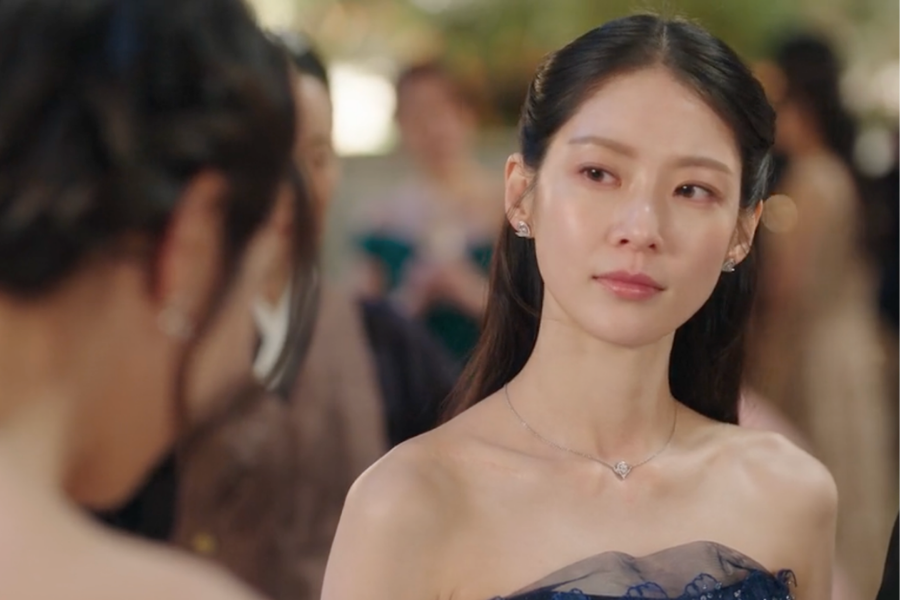
Not even the king could interfere with matters concerning the women of the palace.
Read that again. Not even the king.
So when the Queen Dowager in Perfect Crown operates with the kind of quiet authority that makes everyone in her vicinity slightly nervous, that is historically accurate behavior. She is not being dramatic. She is doing her job. The fact that her job involves making Huiju's life structurally difficult is a separate matter entirely.
The Royal Wedding Was a National Event. Literally.
The contract marriage at the heart of Perfect Crown is treated with a level of gravity that, to a modern viewer, might seem slightly over the top. But consider this: the royal wedding was so significant that it was also referred to as 국혼 gukhon — the national wedding. The future royal consort was required to study classic texts, learn court rules and etiquette, and practice the rites and lengthy ceremonial procedures before the ceremony could even begin.
The drama shows us this with Huiju's hilarious etiquette sessions in the days leading up to the wedding.
The biggest pointer to how important royal weddings are in South Korea is how every character in Perfect Crown treats this marriage like it is a geopolitical event. That's probably because it is.

My Favorite Part
This is the best part for me, though. Beneath all the ritual and hierarchy and spectacular costuming, the drama is essentially asking: would reality truly unfold so beautifully if the monarchy had survived into the 21st century? Because the traditions that look gorgeous on screen: the ceremonies, the formal titles, the rigid codes of conduct, etc, were also the same traditions that told a woman like Huiju, every single day, that she was not enough. That where she came from canceled out everything she had built.
And that tension is not just a K-drama plot device. It is the actual unresolved question of what tradition costs the people it excludes.
Perfect Crown is not a sageuk. It's not even trying to be a serious historical drama. But it is using a fantasy premise to let us sit with a real question, and doing it in a way that is romantic and hilarious and devastating and visually extraordinary all at once.
And that is why this is such good storytelling.
So... Should You Watch Perfect Crown?
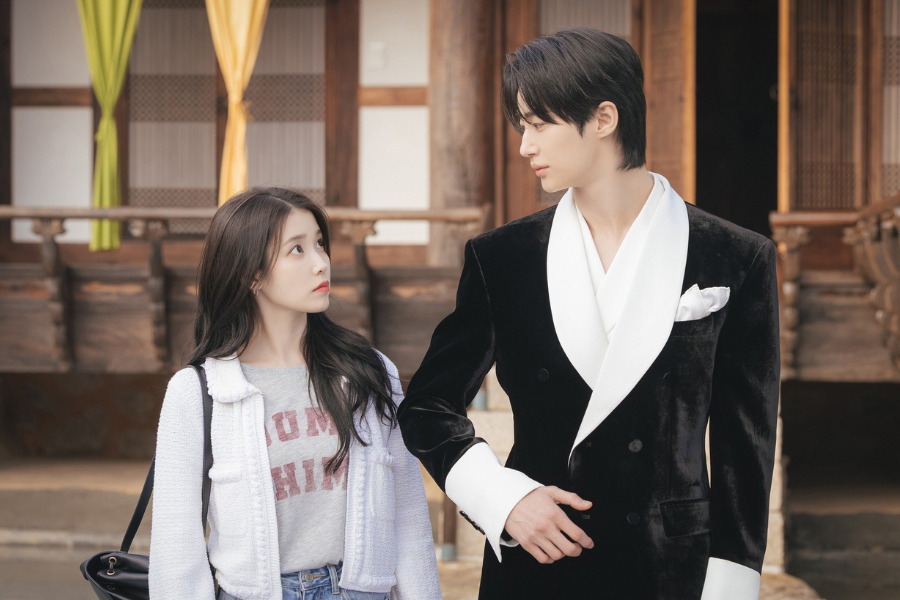
Yes. A thousand times, yes. It's currently one of the highest-rated Korean dramas of 2026, and with IU and Byeon Woo-seok at the helm, the emotional weight lands exactly as hard as it should. Watch it for the romantic pairing. Stay for the quiet, persistent argument it's making about what status is worth, and who gets to decide.
Then come find me in the in-house Hamkke community chat room. I have questions. Specifically about Byeon Woo Seok, and how he manages to get increasingly attractive with every new character.
Full glossary of terms mentioned in this article:
Yangban (양반) - the hereditary noble class of the Joseon dynasty
Seoja (서자) - son of a nobleman and a commoner concubine
Gukhon (국혼) - the national/royal wedding
Sageuk (사극) - Korean historical drama genre
Like Loading...
Author
Kemmieola
Storyteller, creative, aesthete, currently navigating the throes of an immense dependence on Kdramas for equilibrium.
Previous Post


Leave a comment