
Understanding how family trees work in South Korea can feel confusing at first, but once you learn the basics, it all makes sense. Korean family structure is connected to history, tradition, and modern legal systems. Let’s break it down in simple terms.
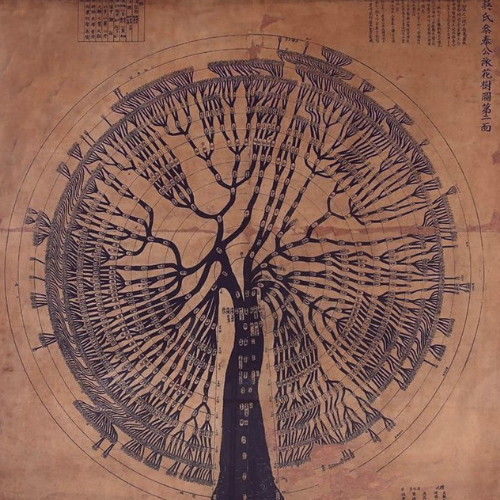
In South Korea, family information was traditionally recorded in a document called the Jokbo (족보). This was like a family tree book passed down through generations, usually kept by the oldest son of the main family line. The jokbo listed every male family member, their birth order, and their ancestors. It was mainly used in the past to show family heritage and social class. Women were listed too, but not in as much detail, because old Korea followed a strong patriarchal system that paid little attention or regard to women.
Today, South Korea no longer uses the jokbo for legal matters. Instead, all births are registered through the family relation registration system, which is modern and gender-equal. When a baby is born, parents must register the child at the local district office within one month. The registration includes the child’s full name, parents, and legal status. Every person then receives an ID number that stays with them for life.
A child can be considered legitimate if the parents are legally married at the time of birth or marry shortly after. If parents are not married, the child is still fully recognized by the government, but the father must confirm paternity for the child to be formally recorded under him. South Korea used to treat illegitimate children differently many decades ago, but modern laws protect all children equally, regardless of their parents’ marital status.
In family trees today, family relations include both the mother’s and father’s sides. The old rules where only sons carried the important family line have changed. Daughters now have equal rights, and many families track their history more openly. Because South Korea is modern and digital, people can request official documents showing their family relations easily online.
For foreigners, it helps to know that Koreans also use very specific words for relatives depending on gender and age. This reflects how detailed family positions are in Korean culture. Overall, the Korean family tree has changed a lot from ancient times to today. While its roots come from strong traditions, the modern system is fair, organized, and built to fit a changing world. It keeps history alive while making sure everyone, no matter their background, has a clear and equal place in the family record.
What is your take on this?
Like Loading...
Author
Damilola Jimmy
The ink drips smartly over here. Let me take you through the world of my imagination while riding on the letters😎 It's all fun in this corner.


Leave a comment