

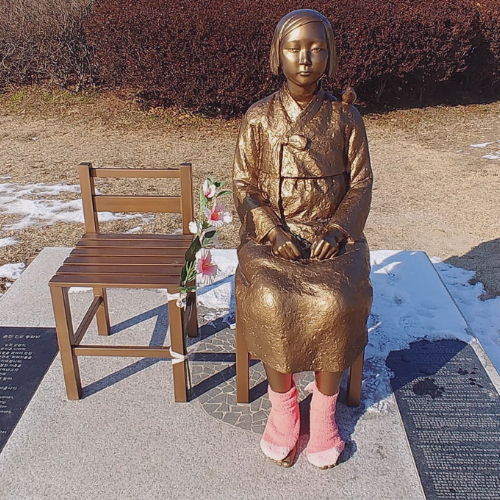
My first encounter with the “열녀-Yeolnyeo” (Virtuous Woman Monument) culture in Joseon was in the series “Story of Park’s Marriage Contract”, and later its quiet, subtle presence in “Moon River”.
At first, I actually thought it was just another historical decor or something to complement fictitious stories, but upon careful research, I realized it was a real-life award system. As in an actual government-recognized honor that literally shaped parts of Joseon society and, sadly, women’s lives.
If you are as curious about this as I was, walk with me.
Where It All Started
It all started with Neo-Confucianism entering Joseon with its strict morals and blueprint for what a “proper society” should look like. At first, it was just stuff like loyalty, filial piety, righteousness, all good intentionsuntil they decided that the perfect symbol of moral purity was a woman who stayed loyal to her husband even after he died. Maybe it was at first a way to encourage moral discipline, but it slowly turned into full surveillance on how a woman grieved, lived, and even breathed after her husband’s death.
The Idea, and When It Got Messy
Originally, the idea was that a woman staying faithful to her deceased spouse equals devotion and moral excellence. It sounds fair (or maybe not) until the moment society started rewarding this loyalty with public honor, and things changed.
Since they believed 'A loyal subject does not serve two kings, and a virtuous woman does not serve two husbands,' if a widow stayed unmarried till death, she was considered virtuous. However, if she died early, especially from grief or by her own hand, she was celebrated even more. The king and officials would award her a stone monument with her name engraved, praising her sacrifice.
Nobody cares how these widows actually feel. It’s all about how they lived and stayed loyal to their husbands after death.
How Families Began To Use It
Now this is where human wicked nature entered. Families began noticing that having a “virtuous widow” in the family could bring honor, social elevation, and sometimes even material benefits. So instead of supporting these women, they started pressuring them. Trying to remarry? Dishonorable. Wanting happiness? Not on our watch.
It became so bad in the late Joseon era that some families encouraged, and in some cases pushed, widows into suicide, basically legalizing suicide at the time, simply because a “martyr wife” brought more honor than a living, breathing woman trying to build a new life. The most disturbing thing is that these monuments were built only after the woman died, never while she lived through the grief, mental strain, social isolation, trauma, and everything else widowhood has to offer.
In Dramas
Today, when these monuments appear in K-dramas, they are usually symbolic. It has appeared in several dramas like Story of Park’s Marriage Contract, Moon River, Knight Flower, and Poong the Joseon Psychiatrist, subtly exposing how deeply rooted this kind of tradition still is in collective memory, quietly asking whether sacrifice really equals honor, or if sometimes, it is just tragedy that no one cares about.
Some women were remembered in stone, but forgotten in life. That alone says everything. Society honored their silence, not their voice. Their death, not their life.
Which brings us to the question: Was 열녀-Yeolnyeo truly an honor for women or a fuel for their pain?
Like Loading...

Author
T.Sapphire 💙
T. sapphire is a writer who found her love for the Hallyu wave after watching the historical drama “Jumong.” She is mainly interested in Korean dramas and the history of Korea at large. Explore her pieces as she takes you on a journey through K-Drama recommendations and keeps you informed about the history of the Korean people.


Leave a comment