

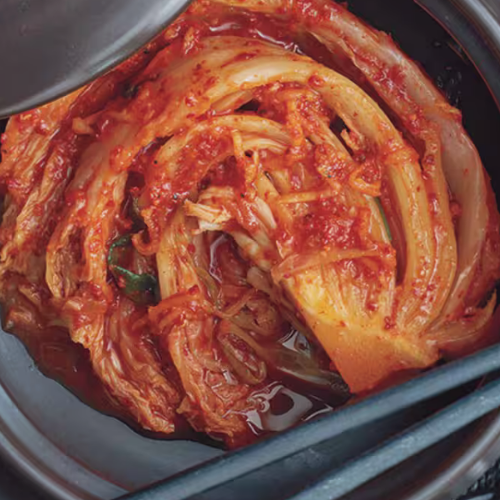
If Part 1 was a delicious crash course in classic kimchi, this part is where we enter the bonus round.
Do you know that apart from the classic and original Kimchis I already mentioned in the first part, there are some regional and modern remixes because why stop at cabbage and Kimchi when you can give it a twist?
Every province, grandma, and now every trendy Seoul restaurant seems to have their own take on kimchi. And honestly? We’re not complaining.,
Here are some other Kimchi editions that exist in Korea.
Yeolmu Kimchi (Young Summer Radish Kimchi)
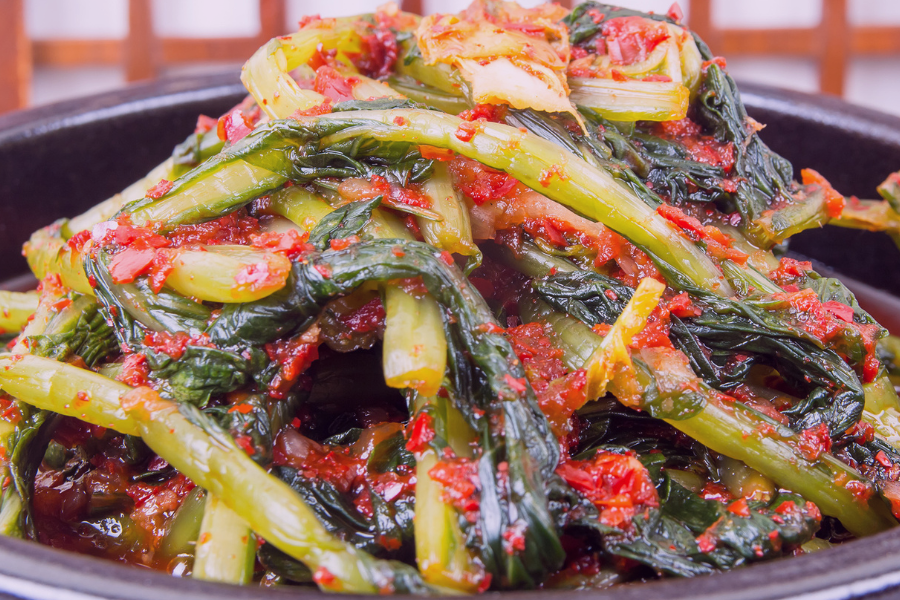
Yeolmu kimchi is what I will call summer in a bowl. It is normally made with tender young radish greens instead of the root, it’s lighter, fresher, and often served with cold noodles like naengmyeon. Think of it as the salad version of kimchi, but with way more flavor,
Tongbaechu Kimchi (Whole Cabbage Kimchi)
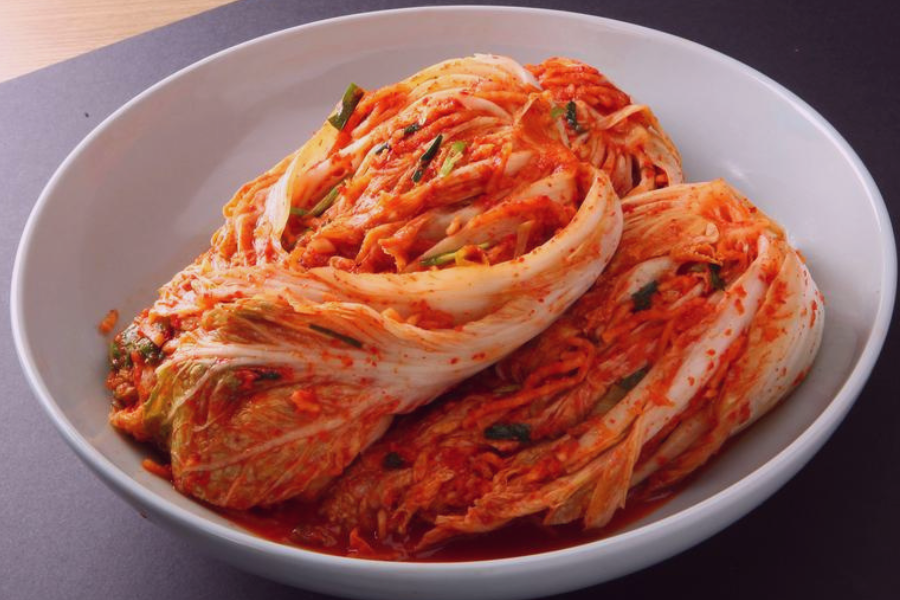
While regular baechu kimchi is usually cut up and easy to serve, tongbaechu keeps the whole cabbage intact (no cuts), layered and packed tightly with seasoning between each leaf. It’s the traditional winter kimchi usually made by grandmas in the countryside and is slow-fermented and intense. It is basically the grandmaster of kimchis.
Pogi Kimchi (Folded Cabbage Kimchi)
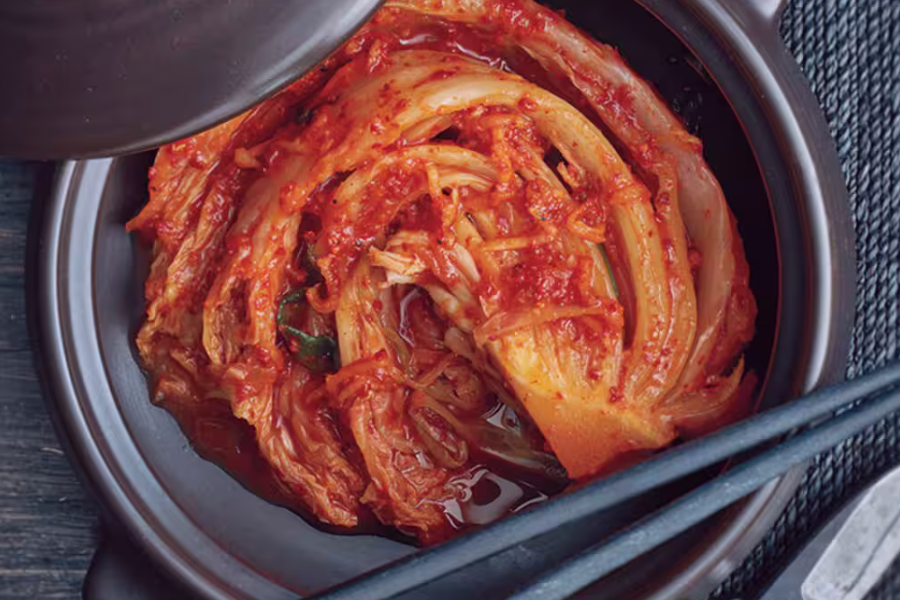
Pogi Kimchi is somewhere between whole cabbage and chopped cabbage kimchi. This one is folded into neat bundles before it is seasoned, and that is how each bite is given a mix of textures and tastes. This is the one you’ll often see being prepared in giant kimjang festivals when families gather to make kimchi for the year.
Godeulppaegi Kimchi (Korean Lettuce Kimchi)
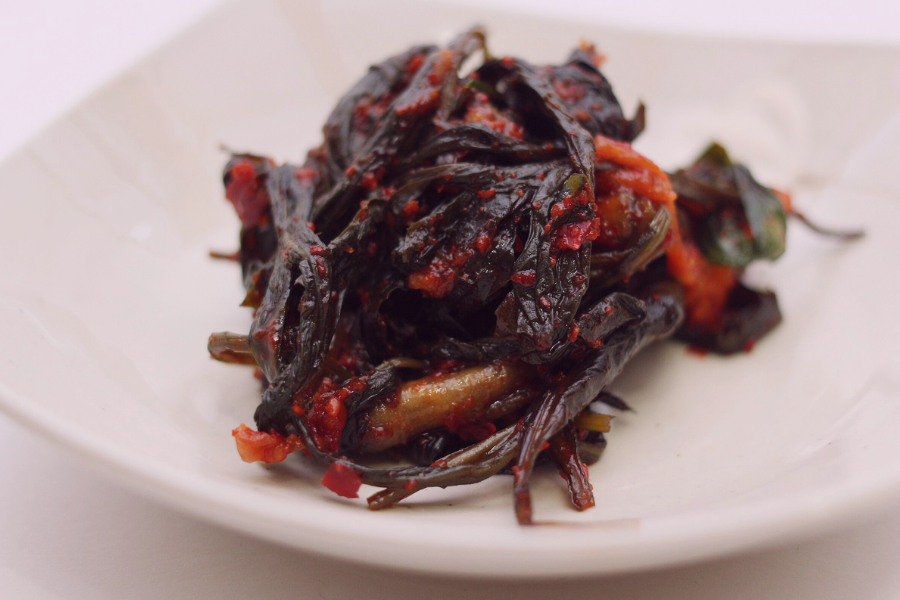
Godeulppaegi Kimchi is a Jeolla province specialty made with Korean wild lettuce, which gives it a slightly bitter but addictive edge taste. Locals love pairing it with grilled fish or pork belly because the smoky meat balances the kimchi’s sharpness perfectly.
Fusion Kimchi (Modern Variations)
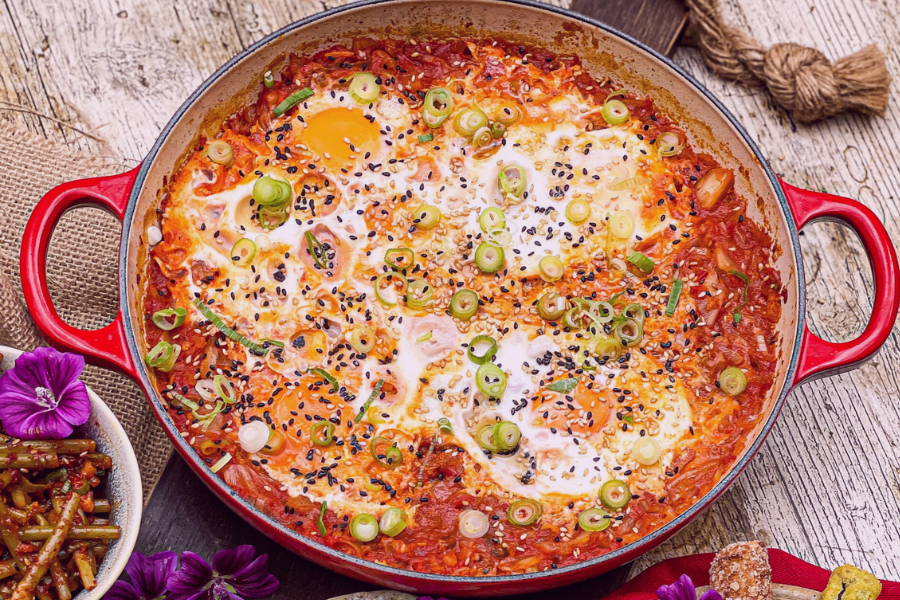
As usual, this is where traditional culture meets the modern one. These days, chefs, and home cooks are remixing kimchi with all kinds of ingredients (Social Media experiments) apple kimchi, tomato kimchi, even kale or beet kimchi for that aesthetic red colour. And don’t even get me started on the non-traditional ones like cheese kimchi pancakes or kimchi quesadillas. Just name it and they will make it exist.
Vegan Kimchi
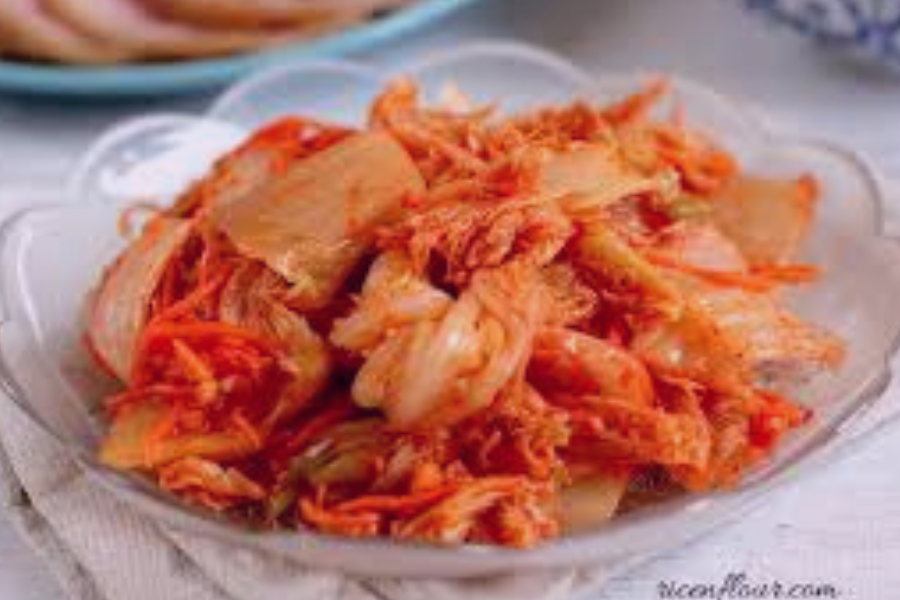
Traditional kimchi often uses fish sauce or salted shrimp for depth. But for vegans who want alternatives, vegan versions have been taking over. They use either seaweed broth, soy sauce, or mushroom powder instead to replace fish sauce and even at that the flavor’s still bold, but plant-friendly. Kimchi evolution can be compassionate and still spicy.
Fruit Kimchi
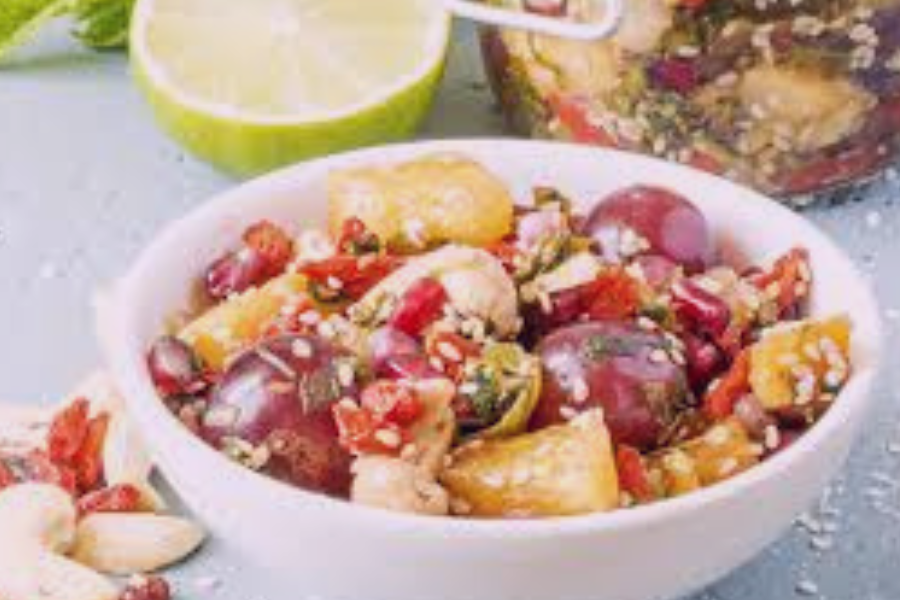
Yes, fruit. Some modern Korean households add pear, apple, or even pineapple for a touch of sweetness. It helps to balance the spice and gives that fresh, juicy contrast. It’s kimchi with a plot twist that actually works.
The truth remains that kimchi keeps reinventing itself without losing its soul. Each version, whether classic or creative, still carries that same essence, patience, spice, and a bit of chaos (the good type)
So never say “I don’t like Kimchi” because you probably have not met the right one yet.
Like Loading...

Author
T.Sapphire 💙
T. sapphire is a writer who found her love for the Hallyu wave after watching the historical drama “Jumong.” She is mainly interested in Korean dramas and the history of Korea at large. Explore her pieces as she takes you on a journey through K-Drama recommendations and keeps you informed about the history of the Korean people.




Leave a comment