
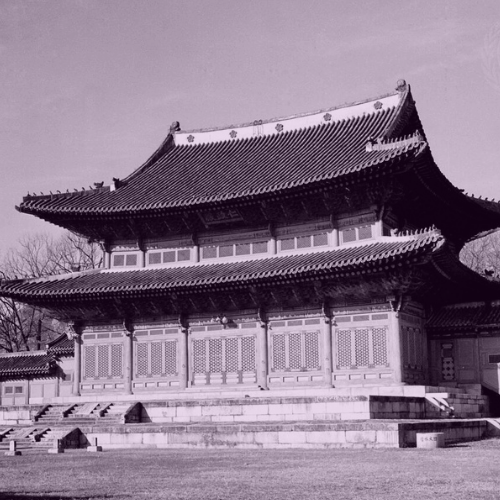
As Korean culture lovers, we must have noticed how royal life in historical dramas or museum exhibitions shows the deep traditions of respect, order, and authority. The hierarchies in the ancient Korean royal house were powerful reminders of how Korean society was organized under the ancient kings and queens.
From the Three Kingdoms period to the Joseon Dynasty, the royal hierarchy continued to change to reflect class, duty, and moral discipline. This hierarchy influenced marriages, clothing, politics, and language. Every rank had its designated purposes and how it could serve the state and royal family. All of these duties were tied to Confucian ideals of order and loyalty.
The Silla Bone-Rank System
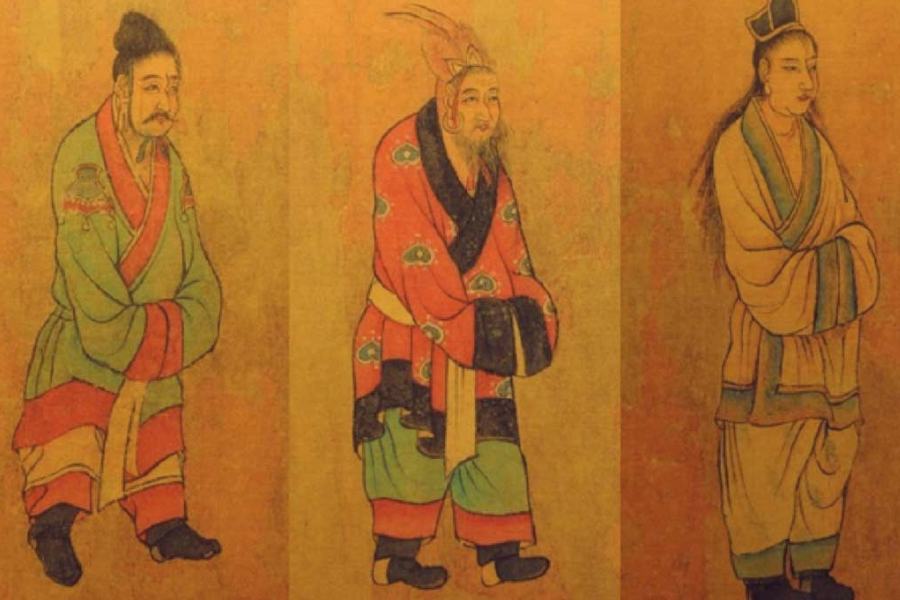
One of the most important and famous systems of hierarchy in Korean history was the Bone-Rank System, called Golpum-jedo (골품제도). This system began in the Silla Kingdom and strictly divided society by birth.
-
Sacred Bone (Seonggol, 성골): This was the royal bloodline that determined kings and queens. Only people born into this group could become one.
-
True Bone (Jingol, 진골): They were nobles who could hold high government positions but could not always become rulers.
-
Head Rank (Dupum, 두품): These were lower nobles and officials, divided into smaller grades from sixth to fourth rank. Their roles were important but limited by the law.
These ranks controlled who one could marry, what color of clothes they could wear, and even the size of their houses. The higher your bone rank, the closer you were to royal privilege and political power.
Joseon Dynasty Royal Family
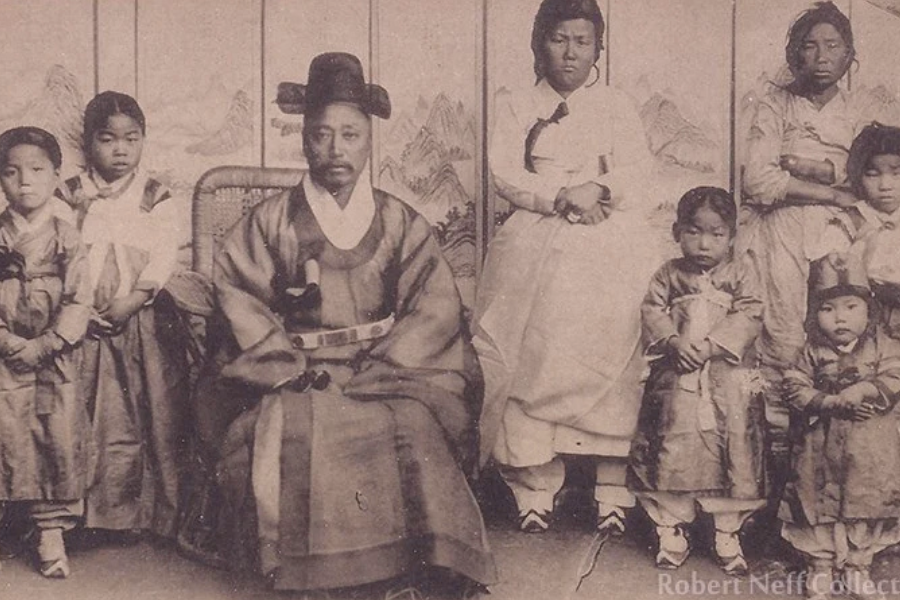
By the Joseon Dynasty, the royal hierarchy had become deeply influenced by Confucianism. The king (wang, 왕) was the link between Heaven and the people, while the queen (wangbi, 왕비) managed palace affairs, representing grace and virtue.
The royal family included:
-
Crown Prince (wangseja, 왕세자), who is the heir to the throne.
-
Princes (daegun, 대군) and Princesses (gongju, 공주) who lived under several strict court protocols and were tasked with supporting the crown prince.
-
Concubines (bin, 빈) who held special ranks depending on royal favor bestowed upon them.
The court officials, scholars, and bureaucrats who served based on merit and examinations come below them. These royal officials wore different badges showing their rank, with embroidered animals like tigers or cranes on their robes.
The hierarchies in ancient Korean royal houses were expressions of respect, loyalty, and balance. Everyone knew their role, limit, and duty in keeping harmony. It was a social order that mirrored the natural order of the universe. In those times, breaking rank laws could lead to serious punishment because it meant going against the divinely approved system.
Today, the idea of royal hierarchy continues to fascinate many Koreans and historians worldwide. Museums like the National Palace Museum of Korea preserve royal artifacts, paintings, and documents that tell us about these ancient orders.
Although the hierarchies have disappeared, the memory is preserved through Korean dramas, heritage centers, and festivals as a reminder of how ancient Korea’s royal courts were held by respect and duty.
Like Loading...

Author
Damilola Jimmy
The ink drips smartly over here. Let me take you through the world of my imagination while riding on the letters😎 It's all fun in this corner.




Leave a comment